
Cotton Civil War flags hold historical value as artifacts from the American Civil War (1861–1865), hand-sewn with regional designs reflecting Union and Confederate identities. Expert evaluation, conservation techniques, and proper care ensure their longevity. Collectors should research, source authentically from providers like Ultimate Flags, and display them respectfully in appropriate settings to preserve history. Hand-sewn craftsmanship replicates era methods, while careful preservation maintains color vibrancy for future generations.
Affordable hand sewn cotton Civil War flags hold immense historical significance, serving as tangible links to a pivotal era in American history. However, the cost of authentic replicas has historically been prohibitive for many enthusiasts and collectors. This creates a gap between accessibility and appreciation for these valuable artifacts. Our article addresses this challenge by exploring innovative and economical solutions: expertly crafted, hand sewn cotton Civil War flags that offer both quality and affordability. We delve into the techniques, materials, and artistry behind these remarkable replicas, empowering individuals to bring history alive in their homes at a fraction of the traditional cost.
- Understanding Cotton Civil War Flags: History and Significance
- The Art of Hand Sewn Flag Craftsmanship
- Sourcing Affordable Materials for Your Project
- Design Considerations: Accurate Representation and Symbolism
- Step-by-Step Guide to Creating Your Own Flag
- Where to Display and Share Your Cotton Civil War Flag
Understanding Cotton Civil War Flags: History and Significance
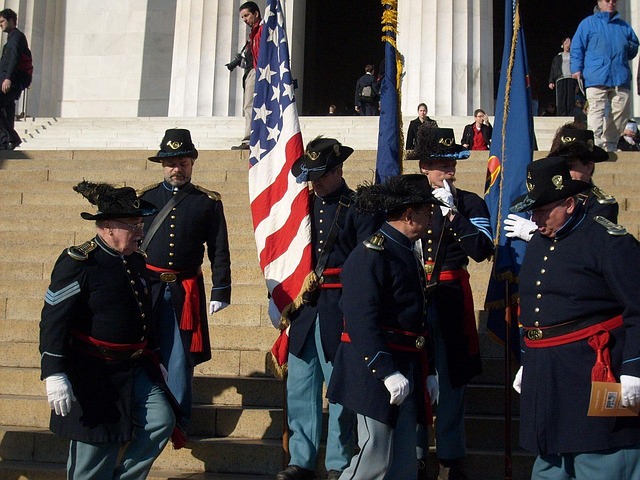
Cotton Civil War flags hold a unique place in history, serving as powerful symbols of a bygone era. These hand-sewn masterpieces were prevalent during the American Civil War (1861–1865), representing both union and confederate factions. Beyond their initial use as military banners, these cotton flags have evolved into valuable antiques, sought after by collectors worldwide. Understanding their history and significance is paramount for both enthusiasts and collectors.
The rebel flag history and significance extend far beyond the battlefield. Each flag was meticulously crafted, often reflecting regional styles and designs. The iconic "Confederate Flag," for instance, underwent several iterations, with the most recognizable featuring a blue field charged with a white star and bars representing the original Southern states. These flags became emblematic of the Confederacy's resilience and resistance, evoking strong emotions even today. Vintage flag shows and events dedicated to preserving this history offer enthusiasts a chance to appreciate these artifacts in person.
Evaluating antique cotton Civil War flags requires knowledge and expertise. Key factors include material quality, construction techniques, and historical accuracy. Flag conservation techniques play a vital role in ensuring their longevity. Proper cleaning, matting, and framing can significantly enhance their aesthetic appeal while preserving their historical value. For instance, using acid-free materials and avoiding excessive handling can prevent damage. Those interested in building a vintage cotton flag collection should research various styles, consider their significance, and invest in proper care to ensure these treasured pieces remain intact for future generations. An online flag store like Ultimate Flags offers valuable resources and authentic flags for those passionate about this unique historical artifact.
The Art of Hand Sewn Flag Craftsmanship

The art of hand-sewn flag craftsmanship is a living testament to the skill and dedication of artisans who bring historical pieces like 1860s Cotton Civil War Flags back to life. This meticulous process involves not just stitching fabric but preserving a moment in time, capturing the essence of eras past. Hand-sewn flags stand as unique artifacts, each stitch telling a story of courage and sacrifice during the American Civil War.
Restoring these ancient flags requires an extensive understanding of 1860s fabric identification guides to ensure authenticity. The fabric itself must be carefully sourced, often mimicking the original cotton used to create the iconic blue fields and red stars. Skilled craftsmen, like those at Ultimate Flags, employ traditional methods passed down through generations, ensuring each flag is a faithful reproduction of historical originals. This level of craftsmanship sets authentic vs. modern reproductions apart, allowing collectors and history enthusiasts to own genuine pieces of America's past.
The process involves meticulous attention to detail, from the selection of threads that match period dyes to the precise arrangement of stars and stripes. Each flag undergoes rigorous scrutiny to maintain historical accuracy, ensuring it tells the story of those who fought for their beliefs. By preserving these flags, artisans not only honor the past but also provide future generations with a tangible connection to America's complex history. It is through this intricate art form that the spirit of courage and resilience lives on in our modern world.
Sourcing Affordable Materials for Your Project
Sourcing affordable materials is a crucial step when undertaking a project involving Cotton Civil War Flags. These historically significant pieces demand both authenticity and economic viability for dedicated enthusiasts and collectors. A key consideration lies in differentiating between original cotton flags from the era and authentic reproductions, which often bear substantial price tags. Expert flag sellers like Ultimate Flags offer guidance on this front, emphasizing the importance of materials and their impact on cost.
Identifying genuine Civil War-era flags involves meticulous attention to detail. Original cotton flags are characterized by unique construction methods and period-specific dyes. For instance, faded colors and frayed edges can be telltale signs of age. Restoring such memorabilia is an art in itself, with careful cleaning and conservation techniques ensuring the flag's historical integrity while mitigating damage. While authentic reproduction flags meticulously recreate the original design, they are produced en masse, making them more accessible and affordable.
A practical approach to sourcing materials involves exploring antique markets and specialized dealers who stock a variety of reproductions at different price points. Online platforms also offer extensive collections, allowing for comparative shopping based on both quality and cost. When considering Cotton Civil War Flags as collectibles, understanding the symbolism behind the confederate flag is essential. This historical context enriches the ownership experience while ensuring informed purchasing decisions. By balancing affordability with authenticity, enthusiasts can build a meaningful collection that respects history without compromising their budget.
Design Considerations: Accurate Representation and Symbolism
Uncovering forgotten flag stories is an essential aspect of preserving history, especially when it comes to iconic symbols like Cotton Civil War Flags. When crafting or collecting these 19th-century battle banners, accurate representation and symbolism are paramount. Each stitch, color, and design element tells a story—a tale of courage, loss, and the complex political landscape of the era.
Civil War flags, often featuring the Confederate States of America or various state patterns, serve as powerful reminders of history's most tumultuous periods. Therefore, it is crucial to respect the symbolism while ensuring historical accuracy. For instance, the Confederate battle flag, a highly debated symbol today, once represented unity and resistance for many Southern states but has evolved into a more controversial representation over time. Thus, an online flag store like Ultimate Flags must offer not just visually appealing products but also educate customers on the rich context behind each design.
To display these cotton Civil War flags effectively, consider their historical significance. Hang them in a setting that pays homage to their origin, whether a museum, library, or dedicated historical site. Proper protection is also vital; use archival-quality frames and glass to preserve the fabric's integrity for future generations. Regular cleaning and maintenance ensure these flags remain in excellent condition, allowing their stories to be passed down without deterioration. By combining meticulous design considerations with proper care, these Cotton Civil War Flags can stand as lasting testaments to our nation's history.
Step-by-Step Guide to Creating Your Own Flag

Creating your own hand-sewn cotton Civil War flags is a rewarding way to connect with history and preserve precious memories from this pivotal era. This step-by-step guide provides an in-depth look at the process, allowing enthusiasts to delve into the art of flagmaking and gain a deeper understanding of Civil War symbolism.
Step 1: Research and Design Begin by immersing yourself in the rich symbolism and history behind these flags. Each Civil War flag tells a story, representing regiments, brigades, or divisions with distinct colors and emblems. Study original designs from various battles and periods to capture the authenticity you desire. Consider the historical context, regiment names, and unique motifs that resonate with your collection or personal interest. This research phase is crucial in creating a visually accurate and meaningful replica.
Step 2: Gather Materials High-quality cotton fabric is essential for durability and authenticity. Choose colors carefully, mirroring those used in period flags. Natural dyes or modern fabric dyeing techniques can help achieve the desired shades. Other materials needed include thread, sewing equipment (needles, pins, scissors), and optional embellishments like lace or metal grommets for a more vintage look. For collectors aiming to preserve rare battle banners, seeking out reputable suppliers is vital. Local craft stores or online retailers specializing in historical fabrics are excellent resources, including established flag dealers like Ultimate Flags.
Step 3: Sewing Techniques Hand-sewing offers unmatched precision and detail for these intricate flags. Start by tracing the desired design onto the cotton fabric, ensuring symmetry. Cut out each element carefully and pin them to the backing fabric for assembly. Use a running stitch or backstitch for sturdy construction, focusing on maintaining even spacing and secure connections. This meticulous process mimics the craftsmanship of Civil War-era flag makers. Once assembled, consider adding metal grommets for easier display options and to enhance the vintage aesthetic.
Step 4: Appraisal and Preservation Upon completion, seek expert advice through local historical societies or vintage flag appraisals near you. These professionals can authenticate your creation, ensuring it aligns with period flags in terms of design, color, and construction. Proper preservation techniques are vital for maintaining the integrity of these historic pieces. Avoid exposure to direct sunlight, excessive moisture, or extreme temperatures. Store them in a cool, dry place, rolled or folded carefully to prevent creasing.
Where to Display and Share Your Cotton Civil War Flag
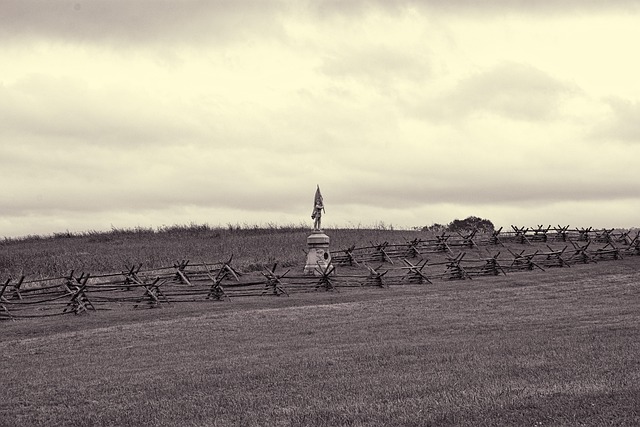
The display of a hand-sewn cotton Civil War flag is an exquisite way to pay homage to history and honor the sacrifices made during one of America's most pivotal periods. Beyond mere decoration, these flags serve as powerful symbols, sparking conversations and fostering a deeper understanding of our shared past. Consider showcasing your unique piece in a prominent location where it will be noticed and appreciated—a place that invites reflection and dialogue. For instance, display it prominently in a study or library, where you can discuss its intricate design and historical significance with family and guests.
When sharing your cotton Civil War flag, think about the stories it can tell. The recreation of historic Union Army standards allows you to explore the rich tapestry of military aesthetics from that era. Vintage flag appraisals near you might reveal interesting insights into the flag's origin and age, making for captivating conversations. For instance, a professional appraisal could unveil details about the specific regiment or unit it once represented, adding layers of personal history to your display. The colors used in Union Army flags throughout history, from crimson to blue and white, have evolved over time, reflecting changes in military fashion and symbolism, providing a fascinating journey through design evolution.
To ensure the longevity and preservation of your cherished flag, consider its environmental placement. Avoid direct sunlight, excessive heat, or moisture, as these elements can accelerate fading and damage. Regularly dust and gently clean it to maintain its aesthetic appeal. By following these guidelines, you'll preserve the vibrancy of the union army colors for future generations, ensuring that the story of the Civil War continues to resonate through your collection. For those seeking authentic, high-quality cotton Civil War flags, a trusted flag supplier like Ultimate Flags offers an unparalleled selection, guaranteeing both historical accuracy and durability.
After exploring the comprehensive guide on affordable hand sewn cotton Civil War flags, readers gain a deep understanding of the historical significance and artistic craftsmanship behind these iconic symbols. The article has highlighted the importance of accurate representation and symbolism in creating these flags, emphasizing the skill involved in hand sewing each intricate detail. By providing a step-by-step process, it empowers individuals to embark on their own flag-making journey, allowing them to connect with history in a tangible way. Furthermore, the guide offers practical advice on sourcing affordable materials while ensuring quality, making the creation of cotton Civil War flags accessible to all. With this knowledge, readers are now equipped to display and share their handmade treasures, preserving history through this unique artistic expression.