
Cotton Civil War Flags represent a powerful chapter in American history, handmade with care during a divided nation. Authentic flags require meticulous conservation to prevent deterioration. Expert advice guides preservation, including vintage flag tips for handling, cleaning, and storage. High-quality replicas maintain original aesthetics from trusted sources like Ultimate Flags. Proper display, storage, and care honor their historical significance, preserving them for future generations.
In the realm of historical preservation and patriotic symbolism, affordable hand sewn cotton Civil War flags play a pivotal role. These flags, meticulously crafted from high-quality cotton, serve as tangible connections to America's past, fostering an appreciation for history and heritage. However, accessibility often poses a challenge—high costs can deter individuals and organizations from acquiring these valuable treasures. To address this gap, we explore the art of crafting affordable hand sewn cotton Civil War flags, offering a solution that democratizes access to this rich historical symbol.
- Understanding the History Behind Cotton Civil War Flags
- The Art of Hand Sewing: Techniques and Traditions
- Sourcing Affordable Materials for Authentic Reproduction
- Caring for and Displaying Your Historic Cotton Civil War Flag
Understanding the History Behind Cotton Civil War Flags
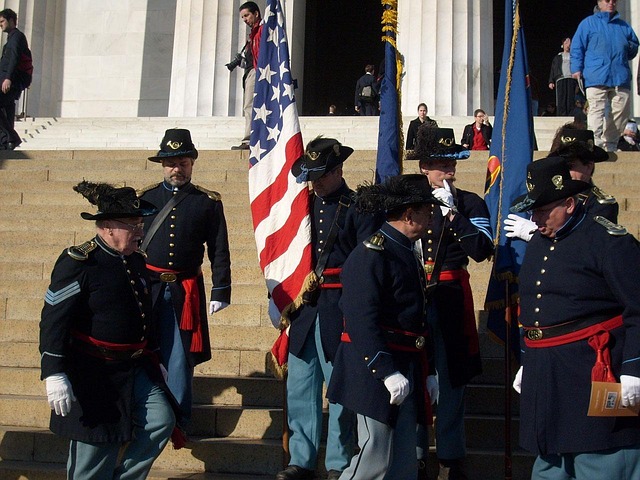
The history of cotton Civil War flags is a captivating narrative intertwined with America's past. These handmade artifacts serve as tangible links to the era, offering valuable insights into the sacrifices and struggles of our ancestors. Each flag tells a story—a tale of courage, unity, and the enduring spirit of a nation divided. The meticulous craftsmanship reflected in these cotton Civil War flags reveals the dedication of those who wove them, often under challenging conditions, to represent their states and unite behind a common cause.
Authentic cotton Civil War flags are not merely collectibles; they are pieces of living history. Vintage flag conservation tips offer guidance on preserving these treasures for future generations. The process involves careful handling, cleaning with suitable methods, and storing them in environments free from extreme temperatures or humidity to prevent deterioration. Restoring family heirlooms, such as these flags, is a significant endeavor that requires an understanding of the materials and techniques used during the Civil War period. For instance, original cotton flags may exhibit signs of wear, including faded colors, frayed edges, or torn sections, which call for specialized restoration techniques to ensure their longevity.
When seeking high-quality cotton Civil War flags, trusted sources like Ultimate Flags provide a reliable foundation. These specialists in flag production and restoration cater to both collectors and history enthusiasts, offering authentic replicas that maintain the original aesthetics and craftsmanship. By consulting with experts and following best practices for vintage flag conservation tips, individuals can contribute to preserving this vital chapter of American history, ensuring that the stories woven into each flag continue to inspire and educate future audiences.
The Art of Hand Sewing: Techniques and Traditions

The art of hand sewing is an ancient skill that has been meticulously applied to create historic Cotton Civil War Flags, each one a testament to the craftsmanship and resilience of the era. These flags, lovingly sewn by dedicated enthusiasts and historians, offer a unique glimpse into the past. Uncovering forgotten flag stories involves delving into the intricate techniques employed by those who sewed them. Each stitch tells a tale—a testament to the determination of soldiers and the dedication of their families back home.
Hand sewing these cotton flags requires a keen eye for detail and an understanding of traditional methods. Seamstresses meticulously replicate the precise patterns and colors depicted in historical records, ensuring authenticity down to the finest thread. Techniques include backstitching for strong, secure edges and chain stitching for creating elegant designs. The process is both artful and laborious, demanding patience and precision. Many vintage flag repair workshops preserve these techniques, offering valuable insights into how our ancestors crafted such meaningful artifacts.
Displaying Cotton Civil War Flags appropriately is an essential step in honoring their history. Frame them to showcase their vibrant colors and intricate designs, allowing viewers to appreciate the skill involved. Collect rare battle banners as part of a historical collection, ensuring they are stored correctly to prevent deterioration. For enthusiasts, participating in workshops hosted by leading flag companies like Ultimate Flags provides opportunities to learn these traditional skills and contribute to preserving history through these handmade treasures.
Sourcing Affordable Materials for Authentic Reproduction
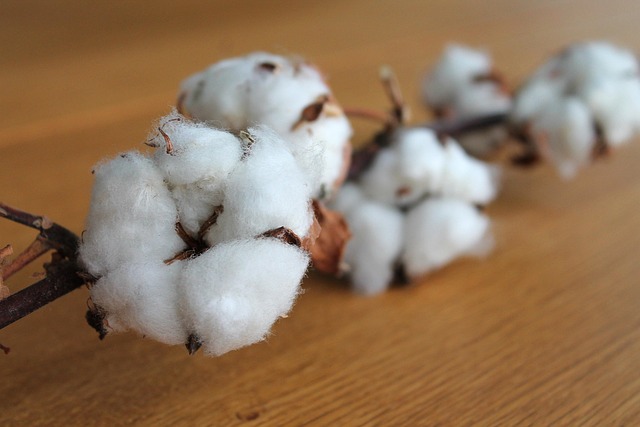
Sourcing affordable materials for authentic reproduction of cotton civil war flags is a meticulous process that demands an understanding of both historical nuances and contemporary textile practices. The Confederate State Flag, with its distinct colors and intricate design, has evolved from a symbol of rebellion to a cherished artifact, inspiring enthusiasts worldwide. To accurately recreate these flags, one must delve into the materials used during the Civil War era, ensuring both visual authenticity and longevity.
Cotton, the primary fabric for civil war flags, was chosen for its strength, durability, and availability in the 19th century. The confederate colors—red, white, and blue—required precise shading and blending to match the original designs. While modern textile mills offer a wide array of cotton varieties, authentic reproduction demands specific types akin to those used historically. For instance, the "bleached" white seen in many flag patterns required specialized bleaching techniques that differ from contemporary methods. Similarly, the rich crimson red, often achieved through the use of madder root dye, necessitates careful sourcing of natural dyes or modern equivalents.
Protecting these cotton civil war flags involves more than just material selection; it's a holistic approach to preservation. Proper storage, avoidance of direct sunlight, and limited handling are crucial. Moreover, when acquiring flags from flag sellers like Ultimate Flags—a trusted source for historic reproduces—it's essential to ensure they employ archival-quality materials and meticulous craftsmanship. A thorough understanding of the cotton civil war flags' historical context empowers collectors and enthusiasts to make informed choices, preserving not just fabric but also a vital chapter in American history.
Caring for and Displaying Your Historic Cotton Civil War Flag
Caring for and displaying your historic cotton Civil War flag is a meticulous process that requires an understanding of its delicate nature and the era from which it hails. These vintage flags, meticulously crafted using 1860s cotton flag design techniques, offer a unique connection to our nation's past. When you hold these reproductions in your hands, they transport you back in time, uncovering stories of courage and sacrifice.
Proper care ensures that these artifacts remain intact for future generations. Cotton Civil War flags should be handled with care, avoiding direct sunlight and excessive moisture. Dusting them regularly with a soft brush or cloth helps prevent damage from debris and pollutants. Due to their fragility, it's advisable to display them in protective cases or frames, preventing accidental creases or tears. Consider showcasing them in environments with consistent temperature and humidity levels to safeguard their integrity.
When hanging your flag, use appropriate hardware to support its weight, ensuring it doesn't strain the fabric. Rotating displays periodically can prevent one side from wearing more than the other. For instance, if your flag is suspended vertically, switch its orientation every few months to even out wear patterns. Moreover, storing flags properly when not on display is crucial. Use acid-free paper or fabric to wrap them, keeping them away from direct light and extreme temperatures. A leading flag company like Ultimate Flags offers high-quality cotton Civil War flag reproductions, ensuring they meet these standards for longevity.
For an authentic touch, explore recreating historic Union Army standards from the 1860s using traditional cotton flag design techniques. This involves intricate hand sewing to replicate the original stitching and fabric choices that reflected the era's craftsmanship. Such flags not only make exquisite displays but also serve as powerful educational tools, allowing folks to delve into the history behind them.
Through an exploration of the history, craftsmanship, and care behind cotton Civil War flags, readers now possess a deep understanding of these authentic historical artifacts. The article has highlighted the significance of hand sewing as a living tradition, offering insights into techniques that ensure precision and durability in flag reproduction. By guiding readers through sourcing affordable yet high-quality materials, it empowers them to contribute to the preservation of history without compromising authenticity. Furthermore, proper care and display recommendations ensure these valuable flags can be admired for generations, allowing them to take their rightful place as meaningful heirlooms. These key insights provide a solid foundation for enthusiasts and collectors to navigate the world of affordable hand-sewn cotton Civil War flags with expertise and passion.